|
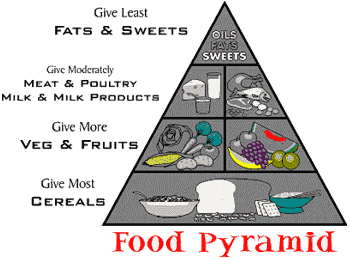
To understand the balanced diet let us look at the food pyramid. A balanced diet is made up of foodstuffs from all of the 5 food groups:
Everyday our body needs moderate amounts of a wide range of foods from each of these five groups to provide energy, essential nutrients and fibre. Eating a balanced diet can help prevent premature heart disease and osteoporosis. In addition regular exercise, no smoking, reduced alcohol intake and finding time to relax are important factors of a healthy life style. WHAT IS FIBRE? Dietary "Fibre" is a complex mixture of plant substances and includes what was once called ‘roughage’. WHY IS FIBRE IMPORTANT? Fibre does a lot more than provide ‘roughage’ to prevent constipation . Lack of fibre seems to be connected with various disorders of the bowel, including piles and a serious inflammation called diverticulitis. There is reason to believe that lack of fibre may lead to diabetes and even heart disease. Fibre slows down digestion. Soluble fibre, such as that in beans and lentils controls blood sugar more effectively than insoluble fibre and may also lower blood cholesterol if high. Insoluble fibre such as wheat bran soaks up water thus providing bulk, which causes waste to be passed more quickly through the gut and also gives the feeling of being full. Eating more fibre may actually help you stay slim. Food with plenty of fibre like potatoes and bread can be satisfying without giving you too many calories. HOW TO EAT MORE FIBRE
FIBRE CONTENT (GRAMS) PER AVERAGE SERVING
|