|
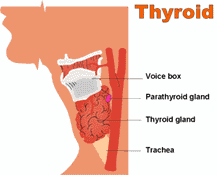
WHAT IS THYROIDITIS? The thyroid gland, one of the hormone-producing organs, is situated at the front of the neck, directly in front of the windpipe. Thyroid regulates all body functions. As we already know suffix of 'itis' means inflammation of the part to which 'itis' is added, Thyroiditis is inflammation of this gland. AFFECTS Both sexes between ages 30 and 50, but more common in women. SIGNS & SYMPTOMS
CAUSES Disorder of the autoimmune system, accompanied by one of the following:
RISK INCREASES WITH
HOW TO PREVENT No specific preventive measures. DIAGNOSTIC MEASURES
POSSIBLE COMPLICATIONS Permanent loss of thyroid function, requiring lifelong thyroid-hormone replacement. PROBABLE OUTCOME Usually curable with treatment whereas some recover spontaneously. Regular medical follow-up is recommended after the condition is apparently cured. TREATMENT GENERAL No specific instructions except those listed under other headings. SPECIFIC Your doctor may prescribe:
ACTIVITY Resume your normal activities as soon as symptoms improve. DIET No special diet. CONTACT YOUR DOCTOR, IF
|