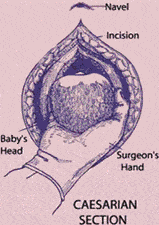
PROCEDURE A Cesarean operation is performed through a lower abdominal incision approximately six inches long and may be either vertical or transverse, latter more so in planned and former in emergency situations. Spinal anesthesia is most commonly used but general anesthesia may be chosen in some cases, especially when hemorrhage has occurred prior to delivery. After the abdominal cavity has been entered, an incision is made through the wall of the uterus and the obstetrician inserts his hand and delivers the head of the baby. After the child has been withdrawn completely, the umbilical cord is tied and cut. The placenta is then manually removed. The incision in the wall of the uterus is sutured tightly and the abdominal wall is closed in the same manner as a surgical wound made for any other operation. The patient is usually out of bed on the following day, and goes home about five days later. It is felt that once a patient has been delivered by
Cesarean section future pregnancies should be handled by repeat cesarean section
operations. The reason for this was that the wall of the operated uterus may be weakened
and may rupture during the violent contractions of a subsequent labor. Thus the usual
practice was to schedule a repeat cesarean delivery about a week before the expected onset
of labor. In some cases the obstetrician may decide to wait until
the very onset of labor before operating. The question of how many Cesarean section deliveries a woman may have is always of great interest. Although there are isolated cases on record with as many as ten cesarean deliveries, in general patients are advised that additional pregnancy is inadvisable after three or four such deliveries.
|